About Us
The Enamelware Industry in the U.S. and Europe
Views : 5046
Update time : 2026-01-29 10:35:00
The Enamelware Industry in the U.S. and Europe: A Snapshot of Cups, Bowls & Plates
Vitreous enamel (porcelain enamel) is a powdered glass fused to metal substrates (steel, cast iron) at 750–850°C, forming a durable, non-porous, non-toxic coating—ideal for tableware and cookware. Below is a concise overview of the industry, focusing on the U.S. and European markets, with a spotlight on enamel cups, bowls, and plates.
Core Market Landscape
- Global Status: The global enamel cookware market was valued at USD 1.50 billion in 2024, projected to reach USD 2.62 billion by 2032 (CAGR 7.36%). Europe and North America together account for 45% of global sales.
- Europe: Holds 30% of the global enamel cookware market; France, Germany, and the UK are key consumers. Premium brands like Le Creuset and STAUB dominate the luxury segment. 54% of European consumers favor enamel for its vintage aesthetic and sustainability appeal.
- U.S.: Accounts for 28% of global enamel cookware sales; set to reach USD 506.69 million by 2032. Driven by demand for non-toxic, durable tableware and outdoor recreation gear. 70% of North American sales come from online and specialty kitchenware stores.
Product Focus: Cups, Bowls & Plates
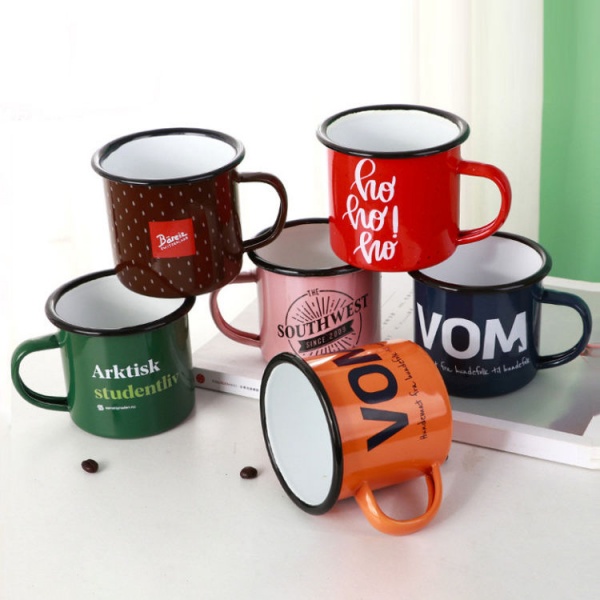
- Key Advantages: Enamelware is eco-friendly, scratch-resistant, and heat-retentive; designs range from retro to modern, with custom prints gaining traction.
- Consumer Trends:
- Europe: Strong preference for artisanal, designer pieces; vintage-inspired enamelware is a niche hit.
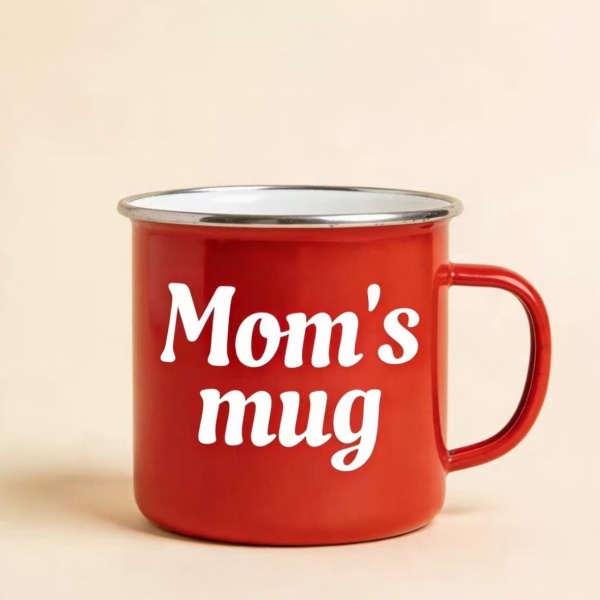
- U.S.: Rising demand for portable, outdoor-friendly items (e.g., camping cups); personalized enamelware is a growing trend.
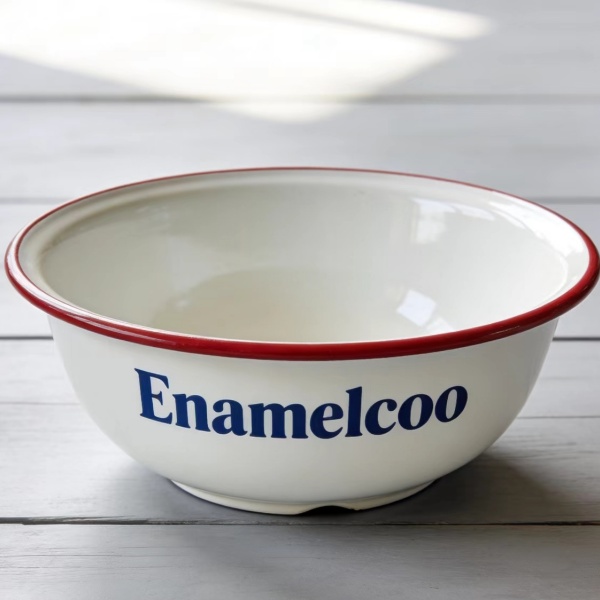
- Commercial Use: Restaurants and cafes favor enamel bowls/plates for their durability and aesthetic appeal; they account for 15% of enamel cookware purchases.
Leading Brands & Manufacturing
- Europe: Le Creuset (France), STAUB (France/Germany), Villeroy & Boch (Germany) dominate premium segments. Germany has over 60% of cookware brands using enamel coatings.
- U.S.: Brands like Crow Canyon Home lead the mid-range market; artisanal makers thrive on Etsy and direct-to-consumer channels. Most production is outsourced to Asia (China, India), while regional facilities focus on design and assembly.
Sustainability & Regulation
- EU Policies: REACH regulations ensure enamel coatings are free of harmful substances; strict standards boost consumer trust.
- Consumer Shift: Both regions prioritize sustainability—enamelware’s reusability aligns with anti-plastic movements, driving demand for cups, bowls, and plates as eco-friendly alternatives.
Growth Drivers & Future Outlook
- Drivers: Increased home cooking post-pandemic, demand for durable and non-toxic tableware, and the rise of vintage and retro aesthetics.
- Challenges: Competition from stainless steel and ceramic; high production costs for premium enamelware.
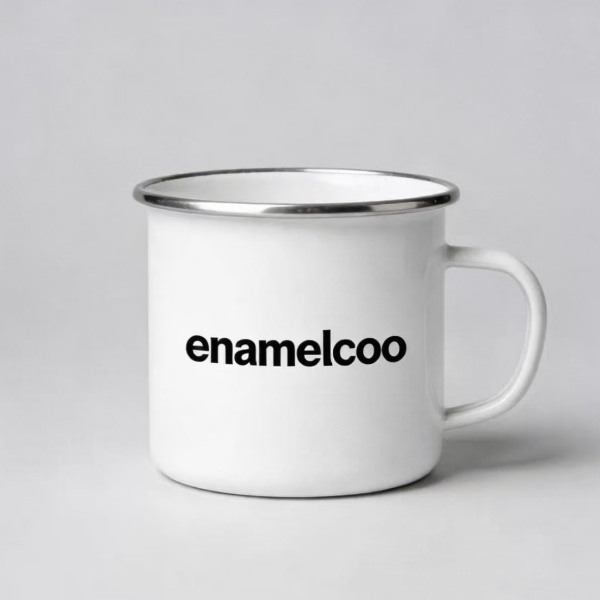
- Opportunities: Customization (e.g., branded enamel cups for businesses), DTC sales growth (up 22% in premium segments), and innovation in lightweight enamel materials.
In summary, the U.S. and European enamelware markets are mature but dynamic, with sustainability, design, and durability as key growth pillars. Enamel cups, bowls, and plates remain timeless, blending tradition with modern consumer preferences.
相关新闻